Hydraulic HPU Services
Hydraulic power units (HPUs) are the heartbeat of many industrial applications, especially in the oil and gas, petrochemical, and broader industrial markets. They serve as the central power source in hydraulic systems, driving machinery and equipment with precision and reliability. These systems are pivotal in ensuring the smooth operation of critical processes, which is why understanding their intricacies is vital for any industrial operation. CASL is a leading service provide for hydraulic services for the critical aspects of hydraulic HPU services, including repair, maintenance, and the unique needs of offshore operations.
Understanding Hydraulic Power Units
Hydraulic power units are complex systems comprising a motor, a hydraulic pump, and a reservoir. They generate a specific amount of power to drive hydraulic machinery, making them indispensable in industries that require precise control of force and movement. The design of an HPU is often tailored to meet the specific operational requirements, considering factors such as energy efficiency, environmental conditions, and the physical constraints of the installation site. This customization ensures that each unit operates optimally within its designated application, providing the necessary power and control.
The adaptability of HPUs to various industrial tasks is attributed to their modular nature, which allows for easy integration and modification. Engineers and technicians can adjust components such as pumps, motors, and control systems to meet changing operational demands. This flexibility not only enhances the performance of the machinery but also extends its lifespan by reducing stress and wear on individual components. Consequently, a well-designed and maintained HPU can significantly improve the productivity and efficiency of industrial operations.
The Role of HPUs in Industrial Applications
HPUs are utilized extensively across industries due to their ability to deliver reliable power. In the oil and gas sector, they support drilling operations, control blowout preventers, and manage wellhead equipment. These units are crucial in maintaining the safety and efficiency of extraction processes, where precise control is essential to prevent accidents and optimize resource recovery. CASL is has an experienced service team to support the most critical hydraulic services.
Their versatility extends to manufacturing and heavy industrial machinery, where precise movement and force application are paramount. HPUs play a vital role in automation systems, enabling operations to perform complex tasks with high precision. Additionally, in construction and mining, HPUs power heavy equipment such as excavators and cranes, facilitating the handling of massive loads and enhancing operational safety. The widespread application of HPUs across various sectors underscores their indispensable role in modern industrial practices.
Hydraulic System Repair: Keeping Operations Running
Maintaining optimal performance of hydraulic systems is crucial for minimizing downtime and ensuring safety. Over time, components can wear out or become damaged, leading to inefficiencies or failures. Regular repair services are essential to diagnose and rectify issues promptly, preventing disruptions in operations. Hydraulic system repair services focus on diagnosing issues, replacing or refurbishing parts, and restoring the system to its full operational capacity, ensuring that machinery functions smoothly and efficiently.
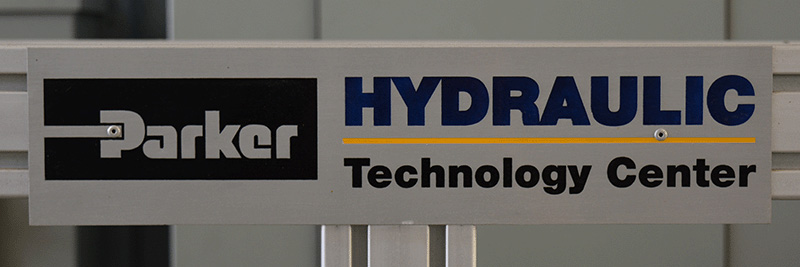
The repair process often involves a detailed inspection of the system to identify the root cause of any malfunctions. Technicians use advanced diagnostic tools and techniques to assess the condition of components such as pumps, valves, and hoses. By addressing the underlying issues, repair services not only restore functionality but also enhance the overall performance and reliability of the system. This proactive approach helps to mitigate the risk of future failures and extend the service life of the equipment. CASL’s Parker approved hydraulic center provides hydraulic services for critical applications.
Common Hydraulic System Issues
Several common issues can affect hydraulic systems, including:
- Leaks: Fluid leaks can occur due to damaged seals, hoses, or fittings, leading to reduced efficiency and potential environmental hazards. These leaks not only waste valuable resources but can also pose safety risks if not addressed promptly.
- Overheating: Excessive heat can degrade hydraulic fluid, causing damage to system components and reducing performance. Overheating can result from inadequate cooling or excessive pressure, necessitating regular monitoring and maintenance to prevent thermal damage.
- Contamination: Dirt, water, or other contaminants can enter the system, leading to wear and tear on sensitive components. Contaminants can cause blockages and interfere with the hydraulic fluid’s properties, compromising system efficiency and reliability.
- Component Wear: Pumps, valves, and motors may wear over time, requiring repair or replacement to maintain system integrity. Regular inspections can help identify signs of wear before they lead to significant failures.
The Importance of Timely Repairs
Timely repairs are essential to prevent minor issues from escalating into major failures. Regular inspections and maintenance can help identify potential problems early, allowing for proactive repairs that save time and resources in the long run. Addressing issues promptly not only minimizes the risk of extended downtime but also reduces the likelihood of costly repairs or replacements. Engaging with experienced technicians who understand the intricacies of hydraulic systems ensures that repairs are performed efficiently and effectively, maintaining the reliability and safety of operations.
Furthermore, timely repairs contribute to improved operational efficiency by ensuring that systems operate at peak performance. By minimizing disruptions and maintaining optimal functionality, businesses can enhance productivity and reduce operational costs. This proactive approach to maintenance and repair underscores the importance of investing in qualified service providers who can deliver high-quality solutions tailored to the specific needs of each operation.
Reserve a Consultation on Hydraulic Services
Hydraulic Power Unit Maintenance: Prolonging Equipment Life
Regular maintenance of hydraulic power units is key to extending their lifespan and maintaining operational efficiency. A well-maintained HPU not only reduces the risk of unexpected breakdowns but also improves energy efficiency and performance. Maintenance involves a comprehensive approach that includes routine inspections, timely replacements, and adherence to manufacturer recommendations. By implementing a structured maintenance program, businesses can ensure that their HPUs remain in optimal condition, supporting continuous and reliable operations.
In addition to prolonging the equipment life, regular maintenance also contributes to cost savings by preventing major repairs and minimizing energy consumption. A properly maintained HPU operates more efficiently, reducing the overall operational costs and environmental impact. This approach aligns with sustainability goals, as it helps to optimize resource usage and reduce waste. By prioritizing maintenance, businesses can achieve a balance between operational efficiency and environmental responsibility.
Key Maintenance Practices
Effective HPU maintenance involves several critical practices:
- Fluid Management: Regularly check and replace hydraulic fluid to prevent contamination and ensure optimal performance. Maintaining the proper fluid level and quality is crucial for efficient system operation and component longevity.
- Filter Replacement: Change filters at recommended intervals to keep the system clean and prevent blockages. Clean filters ensure that hydraulic fluid circulates freely, reducing the risk of contamination and maintaining consistent performance.
- Component Inspection: Regularly inspect pumps, motors, hoses, and seals for signs of wear or damage. Early detection of wear allows for timely repairs, preventing more serious issues and extending the lifespan of the components.
- System Testing: Conduct routine tests to assess system performance and identify any anomalies. Testing helps verify that the system operates within the desired parameters, ensuring reliability and efficiency.
Benefits of Regular Maintenance
Consistent maintenance delivers numerous benefits, including:
- Improved Reliability: Reduces the likelihood of unexpected failures, ensuring continuous operation. By maintaining system integrity, businesses can enhance their overall productivity and operational stability.
- Cost Savings: Prevents costly repairs and replacements by addressing issues early. Proactive maintenance helps to minimize repair costs and extend the lifespan of equipment, resulting in significant financial savings over time.
- Enhanced Safety: Maintains system integrity, reducing the risk of accidents and equipment damage. By ensuring that all components function correctly, maintenance enhances workplace safety and minimizes the potential for hazardous incidents.
- Increased Efficiency: Ensures the system operates at peak performance, optimizing energy use and productivity. An efficient system reduces energy consumption and operational costs, contributing to a more sustainable and profitable operation.
Offshore Hydraulic Services: Meeting Unique Challenges
Operating hydraulic systems offshore presents distinct challenges due to harsh environmental conditions and remote locations. Offshore hydraulic services are designed to address these challenges, ensuring reliable performance and safety in demanding environments. These services encompass a range of specialized solutions tailored to the unique needs of offshore operations, where factors such as corrosion, accessibility, and rapid response are critical.
The offshore environment demands robust systems that can withstand extreme weather conditions, saltwater exposure, and mechanical stress. Service providers specializing in offshore hydraulic solutions have the expertise to design and implement systems that meet these rigorous standards. By leveraging advanced technology and innovative approaches, they ensure that hydraulic systems remain operational and efficient, even in the most challenging conditions.
Specialized Offshore Services
Offshore hydraulic services encompass a range of specialized offerings, including:
- Corrosion Protection: Implementing measures to protect equipment from saltwater corrosion and extend service life. Specialized coatings and materials are used to prevent corrosion and maintain system integrity in the harsh offshore environment.
- Remote Monitoring: Utilizing advanced technology to monitor system performance and detect issues from afar. Remote monitoring allows for real-time data analysis, enabling timely interventions and reducing the risk of unexpected failures.
- Emergency Repairs: Providing rapid response teams to address unexpected failures and minimize downtime. Quick deployment of skilled technicians ensures that repairs are conducted efficiently, restoring operations with minimal disruption.
- Custom Solutions: Designing bespoke systems to meet the unique demands of offshore operations. Tailored solutions address the specific challenges of each installation, ensuring optimal performance and reliability.
Importance of Offshore Expertise
Working in offshore environments requires a deep understanding of the specific challenges and requirements. Service providers with offshore expertise bring valuable insights and experience to ensure that hydraulic systems operate efficiently and safely in these tough conditions. Their knowledge of regulatory standards, environmental considerations, and technical demands is crucial in delivering effective solutions that meet the rigorous demands of offshore operations.
By partnering with specialized offshore service providers, businesses can access the expertise and resources needed to maintain reliable and efficient operations. These partnerships enable organizations to focus on their core activities, confident that their hydraulic systems are managed by professionals who understand the complexities of the offshore environment. This collaboration is essential for achieving operational success and maintaining a competitive edge in the challenging offshore market.
Reserve a Consultation on Hydraulic Services
Choosing the Right Hydraulic HPU Service Provider
Selecting a reliable hydraulic HPU service provider is crucial for maintaining system performance and longevity. Consider the following factors when choosing a provider:
- Experience and Expertise: Look for providers with a proven track record in your industry and a deep understanding of hydraulic systems. Experienced providers offer valuable insights and solutions tailored to your specific needs, ensuring optimal system performance.
- Quality Assurance: Ensure the provider adheres to stringent quality standards and safety protocols. A commitment to quality and safety ensures that services are delivered consistently and reliably, minimizing risks and enhancing operational efficiency.
- Comprehensive Services: Choose a provider that offers a full range of services, from repair and maintenance to custom solutions and offshore support. A comprehensive service offering provides convenience and flexibility, allowing businesses to address all their hydraulic needs with a single provider.
- Customer Support: Opt for a provider with strong customer support and responsive service to address any issues promptly. Effective communication and support ensure that any concerns are resolved quickly, maintaining the reliability and performance of your hydraulic systems.
Why Maintain HPU systems?
Hydraulic HPU services are essential for ensuring the efficient and safe operation of hydraulic systems in various industrial applications. Whether onshore or offshore, maintaining these systems through regular repair and maintenance is vital for minimizing downtime and optimizing performance. By partnering with experienced service providers, you can ensure your hydraulic systems remain reliable and effective, supporting your operations in the oil and gas, petrochemical, and industrial sectors.
By understanding the critical role of HPUs and implementing best practices in maintenance and repair, industry professionals can achieve greater reliability and efficiency in their operations. Whether you’re dealing with complex offshore challenges or routine onshore maintenance, hydraulic HPU services are a vital component of successful industrial operations. Investing in these services not only enhances the performance of machinery but also contributes to a safer and more sustainable industrial environment, ensuring long-term success and competitiveness in the global market. CASL is available to support 24-hours a day!